Why Phantom Became My Go‑To Solana Browser Wallet (and How to Use It Without Screwing Up)
Okay, quick confession: I used to be stubborn about wallets. I liked control. I liked the CLI vibes. Then I tried a few Solana dapps and, well—my workflow changed. Wow. Phantom felt different from the instant I clicked install. Smooth. Fast. And it didn’t make me feel like I needed a CS degree to send a token.
This piece is for folks who want a practical, honest walkthrough of Phantom as a browser extension: what it does well, where it trips up, and how to use it safely when you’re jumping into DeFi on Solana. I’ll be candid—some parts still bug me. But overall, Phantom is hands down one of the easiest browser wallets for day‑to‑day DeFi on Solana. Seriously.
First impressions and why UX actually matters
My gut reaction the first time I opened Phantom was relief. The UI is uncluttered. Short learning curve. No weird popups that looked like ads. That’s important. When you’re dealing with money, clarity matters. My instinct said: this is built by people who use wallets not just design them.
On the other hand, usability sometimes sacrifices nuance. Phantom abstracts away some details—sometimes too much for power users. Initially I thought: awesome, done. But then I realized I wanted more info about transaction fees and recent RPC endpoints. Actually, wait—let me rephrase that: Phantom gives the basics quickly, and that’s great for most users, though if you’re a heavy DeFi trader you’ll want to combine it with other tools.
Short version: it’s approachable. It’s also evolving fast, which is both exciting and a little nerve-wracking.
Setting it up — step by step (without panicking)
Install like any browser extension. Pick Chrome, Brave, or Edge. Safari support arrived later, so check compatibility if you’re on macOS. Create a new wallet or import one. Write down the 12‑word seed phrase. Yes, still the same drill. No shortcuts.
Write it on paper. Store it in two locations. Don’t screenshot it. Don’t upload it to cloud notes. Too many people skip this and then cry later. I’m biased, but physical backup is low tech and reliable.
When naming your wallet, keep it simple. You can create multiple wallets inside Phantom for different uses—one for day trading, one for long‑term holds, another for experimental airdrops. That segmentation is handy.
Connecting to dApps and the small things that save time
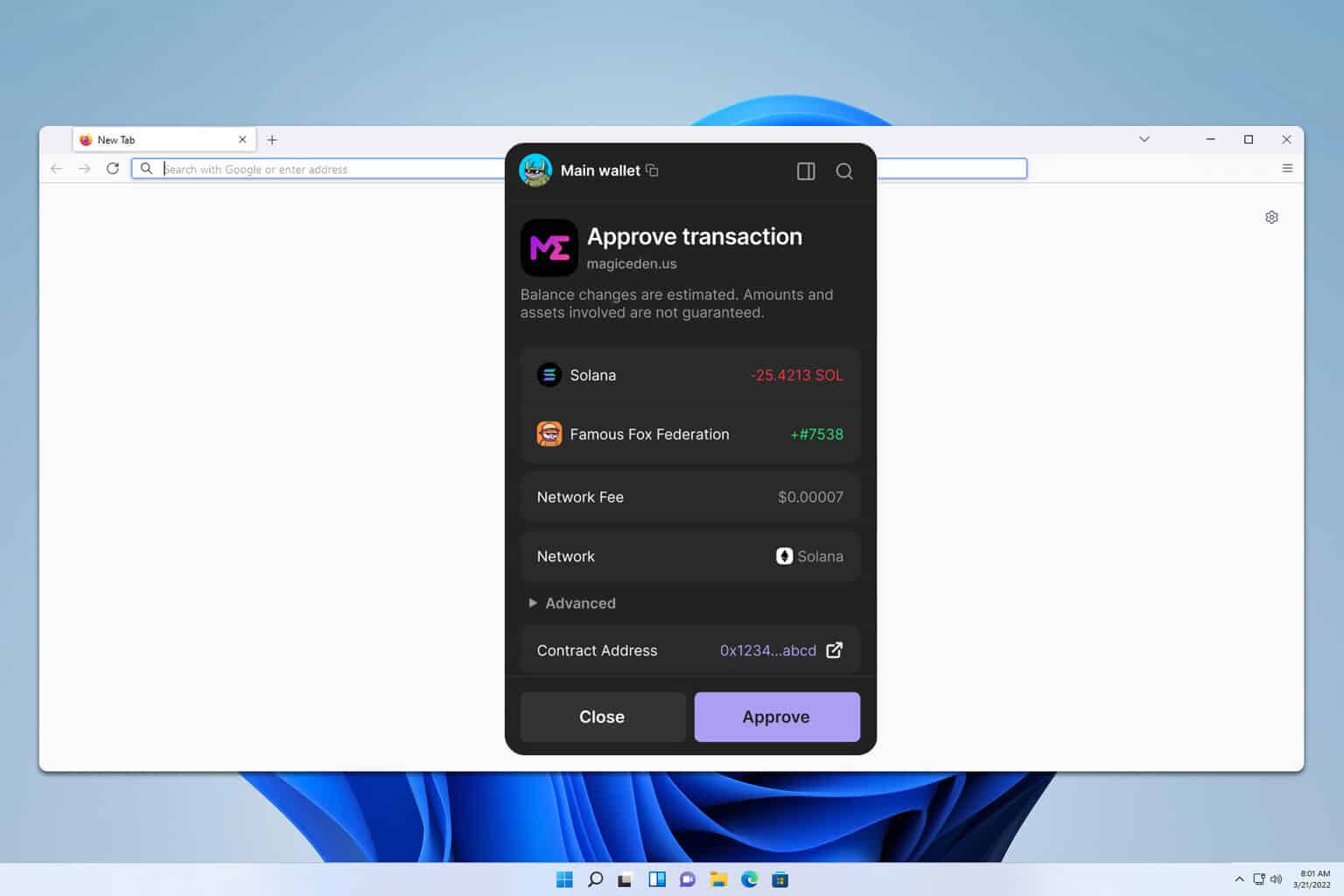
Connecting is one click. Tap ‘Connect’ in the dApp, approve in Phantom. Easy. But check the permissions the dApp requests. Does it want to sign transactions in bulk? Does it ask for read-only access to your accounts? Pause and read that modal. On one hand, most dApps are legit. On the other, phishing sites try to mimic them—so slow down.
Pro tip: use a throwaway wallet for airdrop hunting or unknown dApps. Seriously. I keep a small SOL balance in a burner wallet when I’m testing new projects. It reduces stress. Also, clear your approvals occasionally. Phantom lets you manage connected sites—revoke anything you don’t recognize.
Swaps, staking, and interacting with DeFi
Phantom integrates token swaps directly in the extension. It’s convenient. Fees on Solana are low compared to Ethereum, but slippage and liquidity still matter. Use small test trades when you try a new pool. My instinct said: just swap, but that’s careless. Check the pool depth, check the price impact.
Staking SOL is one of Phantom’s smoother features. Delegation flows are straightforward—pick a validator, delegate, and you’re earning staking rewards. If you care about decentralization, rotate validators. Don’t just pick the top‑yielding one automatically; validator performance and reputation matter.
For advanced DeFi—like lending, leveraged positions, or complicated yield strategies—you’ll sometimes need the dApp UI, not Phantom’s internal swap. In those cases Phantom acts as the signing bridge. That’s by design, and it’s fine, though you might want to pair Phantom with a hardware wallet for big positions.
Security: paranoid but practical
Phantom is a non‑custodial extension—meaning you control the keys. That’s powerful. It also means responsibility. Guard your seed phrase. I’ll repeat: paper, safe place. Also consider a hardware wallet for large balances; Phantom supports Ledger integration which adds a strong hardware layer.
Phishing is the biggest recurring threat. I once almost clicked a link in a Discord message that looked official. Hmm… my hair stood up. Don’t do that. Bookmark the dApps you use regularly rather than following links, and verify contract addresses if a dApp asks you to approve a token. If a signature request looks weird—stop. Ask around. Check project channels. On one hand, genuine projects move quickly, though actually some scammers move faster.
Troubleshooting common hiccups
Connection issues? Try switching RPC endpoints. Phantom usually auto‑selects high‑availability cluster endpoints, but sometimes congested nodes cause delays. Clear cache or reinstall if you see stuck transactions. For pending transactions, check Solana explorers for status. If Phantom shows a pending tx forever, usually the network resolved it—you might need to rescan or restart the browser.
Missing tokens? Add custom SPL tokens by pasting the mint address. Be careful: malicious tokens can mimic names. Look up the mint on a reputable block explorer or the project’s official channels first.
Advanced tips and best practices
1) Use multiple wallets: isolate risk.
2) Set small daily allowances in your burner wallets for testing.
3) Connect Ledger for custody of big balances; Phantom supports it.
4) Periodically review site approvals and revoke stale ones.
5) Keep browser and extension versions updated—security fixes do matter.
Also, if you’re bridging assets into or out of Solana, double‑check fees and slippage. Bridges are improving, but they introduce extra complexity and exposure. I’m not 100% comfortable with all bridge UX yet—some are fine, some still feel rough.
When Phantom isn’t the right tool
If you need institutional grade multi‑sig or on‑chain governance built into the wallet, Phantom might not be enough alone. Use it with specialized tools or custody providers in those cases. If you need granular transaction batching or custom fee management, you’ll look beyond Phantom. On the other hand, for everyday DeFi, NFT drops, and interacting with Solana games and marketplaces, Phantom fits most users well.
Okay, so check this out—if you’re new and want to try Phantom, go for the official extension. Don’t grab clones. I usually land on the official page and confirm the developer is Ocean Protocol (kidding, that’s wrong here—always verify). For the Phantom installer, here’s the official link I recommend: phantom wallet.
FAQ
Is Phantom safe to use for DeFi?
It’s as safe as how you use it. Phantom itself is a reputable non‑custodial wallet with Ledger support. Your operational security—seed storage, being careful with dApp approvals, and using hardware wallets for large sums—determines your real risk.
Can I use Phantom on mobile?
Yes. Phantom offers a mobile app that syncs with your seed phrase. I prefer using the browser extension for heavy DeFi sessions, but the mobile app is very handy for quick checks and simple approvals.
What if I lose my seed phrase?
If you lose it and don’t have another backup, you lose access. No one can recover it for you. So stash it in multiple secure locations. Consider a hardware wallet to avoid seed phrase exposure entirely.